
Everton supporters have endured a summer of frustration, but the latest development from the club’s American owners cuts deeper than any failed transfer. The Friedkin Group is actively seeking fresh investment into the club, according to multiple reports from well-placed sources.
The Athletic broke the story on September 3, confirming that TFG aims to bring in strategic partners rather than pursue a full sale. Investment bank Moelis has been engaged to test the market, with a valuation of around £1 billion floated in some quarters. This follows a transfer window that saw Everton generate significant funds through sales but left the squad dangerously thin.
Ownership Background and Recent Sales
TFG completed their takeover of Everton in late 2024, stepping in after years of financial uncertainty under previous owner Farhad Moshiri. Their early moves included refinancing expensive debt and securing better terms against the new Hill Dickinson Stadium. Yet the summer of 2026 exposed ongoing challenges.
The club offloaded talent including Iliman Ndiaye to Manchester City for a reported £60-70 million, alongside Nathan Patterson and Tim Iroegbunam, raising around £80 million in total. A proposed £40 million sale of homegrown midfielder Harrison Armstrong was scrapped amid fan backlash. The window closed with only Ainsley Maitland-Niles arriving permanently, while a high-profile move for Folarin Balogun collapsed at the final hurdle.
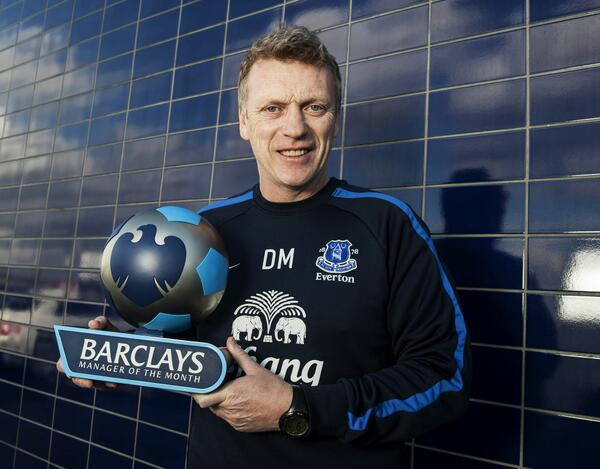
David Moyes has been candid about the consequences. He described the squad as “really small” and admitted he would say “no” when asked if it had enough depth for the Premier League season. Everton sit eighth after three games but possess just one senior striker in Thierno Barry.
Why This Matters to Supporters
For fans, this news signals that the ownership may need external help to match ambitions. The 1878s supporter group has already stood down from organising displays, citing a misalignment between fan expectations and club direction. Protests over potential player sales highlighted the tension.
A minority stake sale could inject capital for January reinforcements without ceding control. It might also ease concerns over financial regulations, particularly liquidity tests in the Premier League. Everton’s position remains stable on the pitch for now, but a threadbare squad risks further unrest if results falter.
Sources close to the situation emphasise that player trading will remain central to future plans. The focus is on long-term sustainability rather than short-term spending sprees. Whether new investors materialise quickly or the process drags on will shape the mood around Goodison Park in the months ahead.



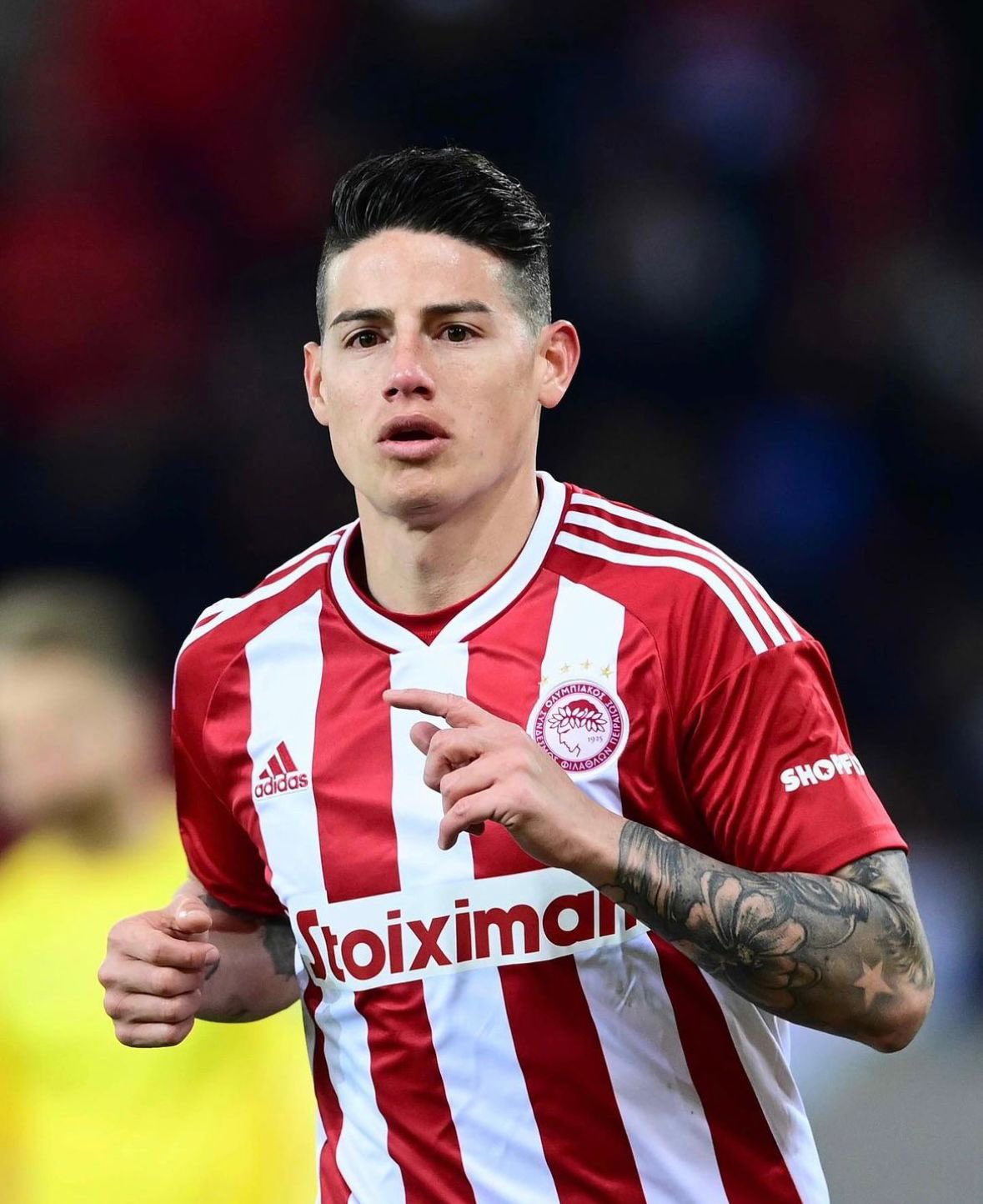 Many experts are not sure how Everton will benefit from adding James to their team. Of course, it would excite the fan base if such a reunion takes place. The Toffees do need creative players in attacking positions. Currently, Abdoulaye Doucoure is one such player who mans an advanced position in the midfield. Of course, when James had started his previous season with the club, it had been in a brilliant style. At that time he had joined Goodison Park with Carlo Ancelotti as manager.