Friedkin Group Seeks Everton Investors

Everton’s American owners The Friedkin Group are actively seeking fresh investment into the club. Sources close to the situation indicate the move is aimed at bringing in strategic partners, most likely through the sale of a minority stake.
This development comes in the wake of a turbulent summer transfer window that left supporters frustrated and the squad stretched thin. The Friedkin Group took full control last year, but early optimism has given way to questions about long-term plans and financial direction.
The timing is telling. Everton sold high-profile talents including Iliman Ndiaye to Manchester City for £65 million on deadline day, alongside Beto’s move to Fiorentina and Nathan Patterson’s departure to Torino. Yet attempts to bolster the forward line faltered dramatically when Folarin Balogun walked away from a proposed £40 million deal with Monaco.
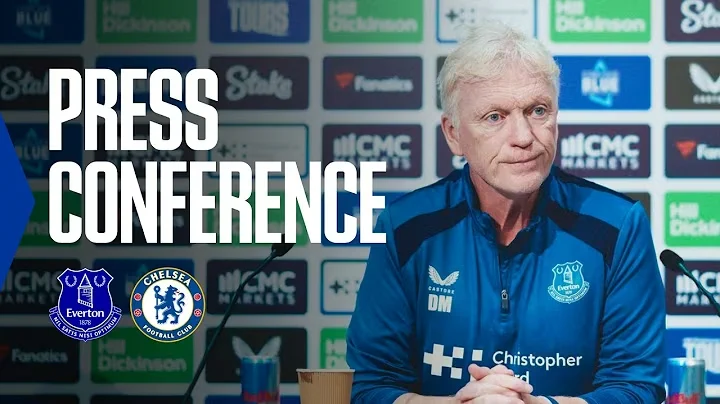
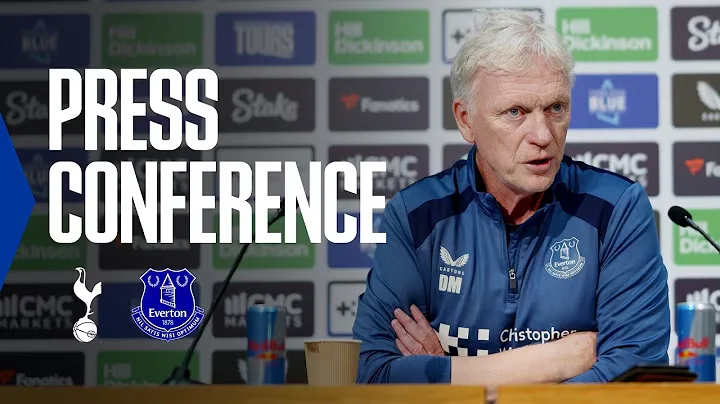
David Moyes has been left working with just 18 senior outfield players. Thierno Barry stands as the only recognised senior striker, while Vitalii Mykolenko remains the sole established left-back. The manager has spoken openly about the need to explore the free agent market to supplement what he described as a “really small” squad.
Fan groups have already voiced concerns over perceived lack of ambition. Protests erupted earlier in the window when reports emerged of a potential sale of homegrown midfielder Harrison Armstrong to Nottingham Forest, prompting the club to pull the plug on those talks.
Ownership changes at Everton have rarely been straightforward. Previous regimes brought instability, and supporters are understandably wary of any process that could dilute control or signal further belt-tightening. The Friedkin Group’s search for partners suggests they see value in external input to drive the club forward, particularly with the new Hill Dickinson Stadium now in use.
For the playing side, the implications are immediate. Moyes faces Manchester United today knowing his options in attack are limited. Jack Grealish’s return on loan from City provides some creativity, but the absence of a proven goal threat beyond Barry will test the manager’s tactical ingenuity throughout the campaign.
The broader context is one of transition. Everton finished last season strongly under Moyes and began this campaign with a win and a draw. Yet the summer’s net profit of around £25 million, achieved through sales rather than sustained investment, has left many wondering whether the club can compete consistently without further resources.
Supporters will watch the coming weeks closely. Any announcement on new investors will be scrutinised for what it means for squad building in January and beyond. The Friedkin Group’s next steps could shape the club’s trajectory for years to come.